Often referred to as ‘the world’s largest open-air museum’, Luxor is home to many of the country’s historic monuments and a must visit place in everyone’s list. ‘Luxor’, means ‘palaces’, which is aptly evident from the grand monuments which the city showcases. The key sightseeing, their include:
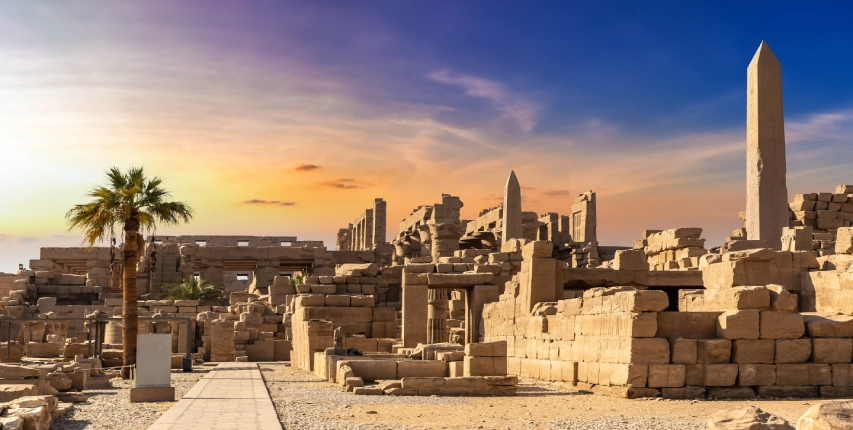
Karnak Temple
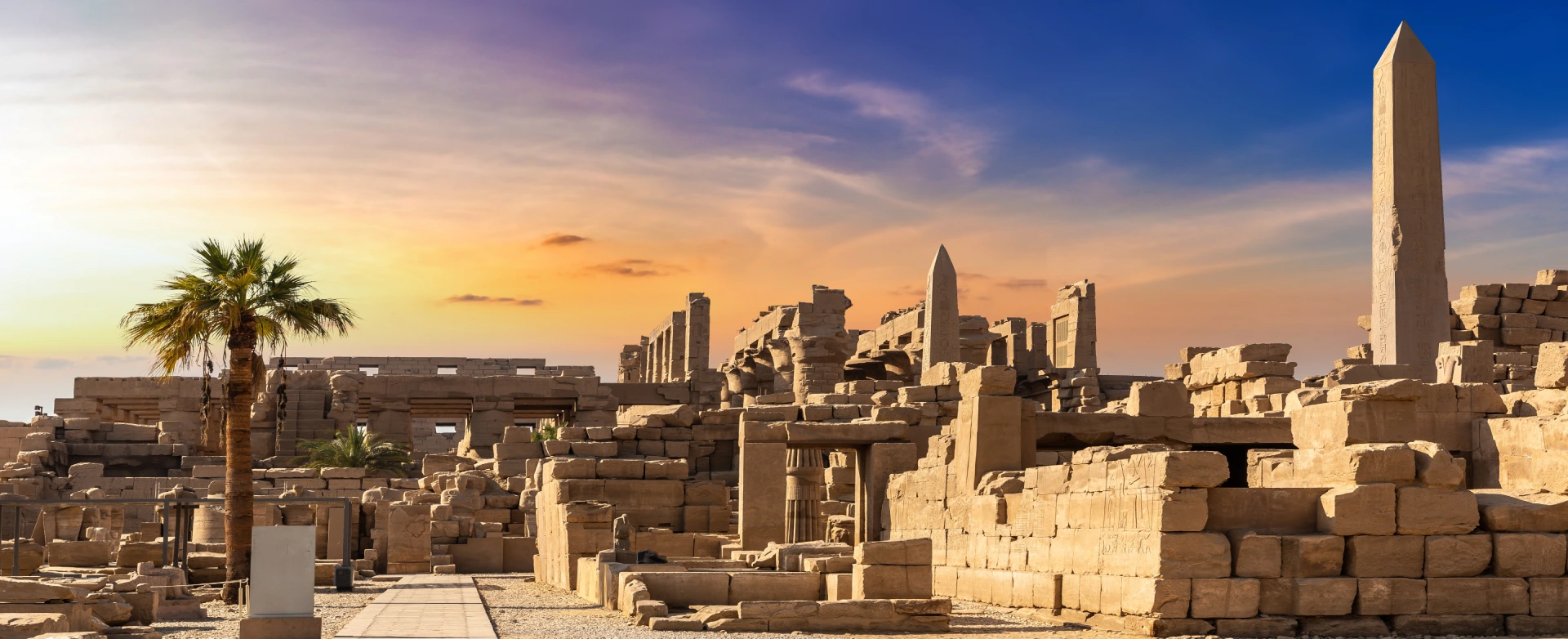
Karnak Temple an incredible ancient monument complex consists of number of temples, chapels, and other buildings. Karnak means ‘fortified village’ which was built between 2055 BC and around 100 AD as a cult temple. It is dedicated to gods Amun (god of the sun and air), Mut (mother goddess), and Khonsu (god of the Moon).
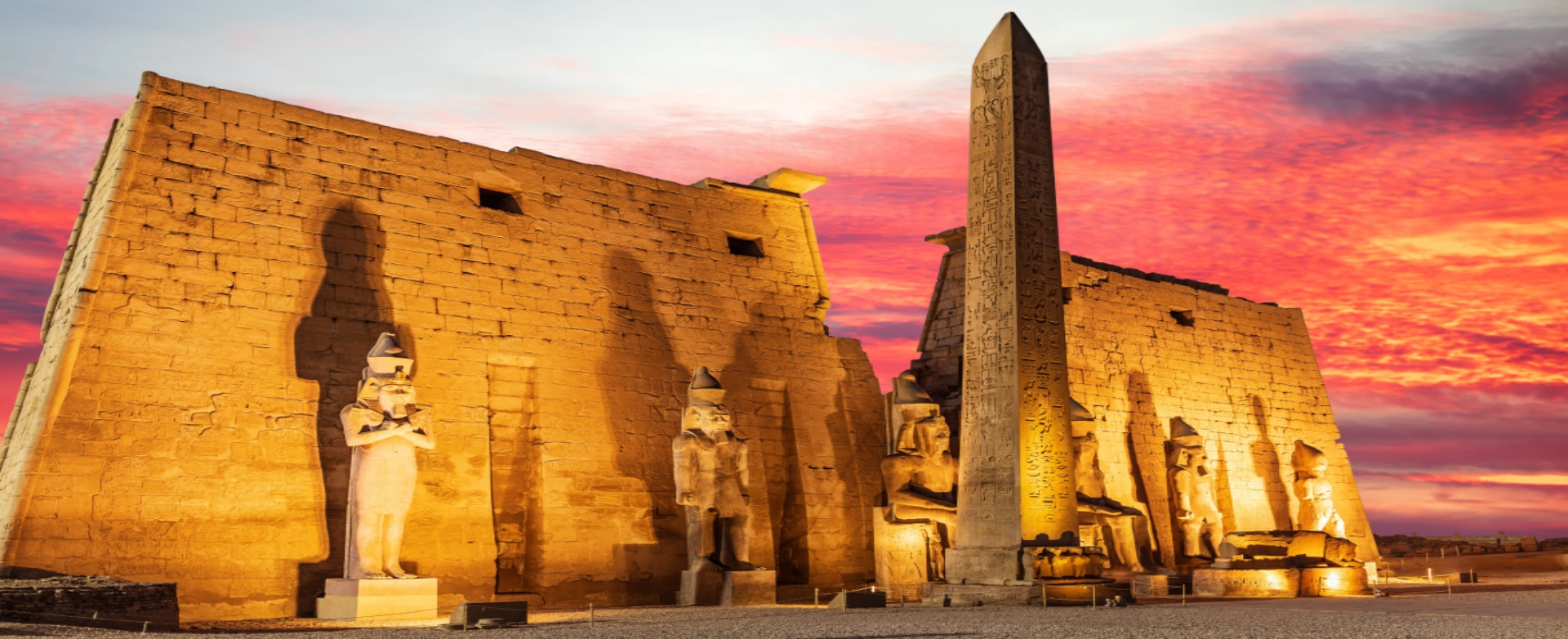
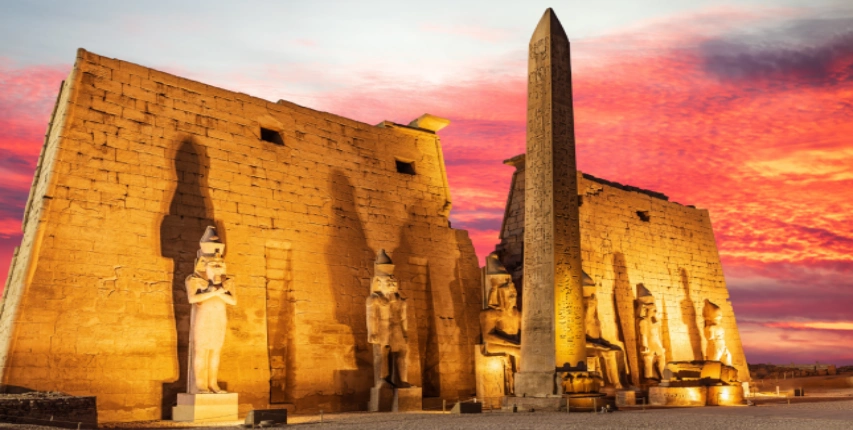
Luxor Temple
Luxor Temple nicknamed as, “The World’s Largest Outdoor Museum”, is one of the best preserved with large amounts of structure and carvings still intact. Known in the Egyptian language as ipet resyt, or “the southern sanctuary”, the temple was dedicated to the Theban Triad of Amun, Mut, and Khonsu.
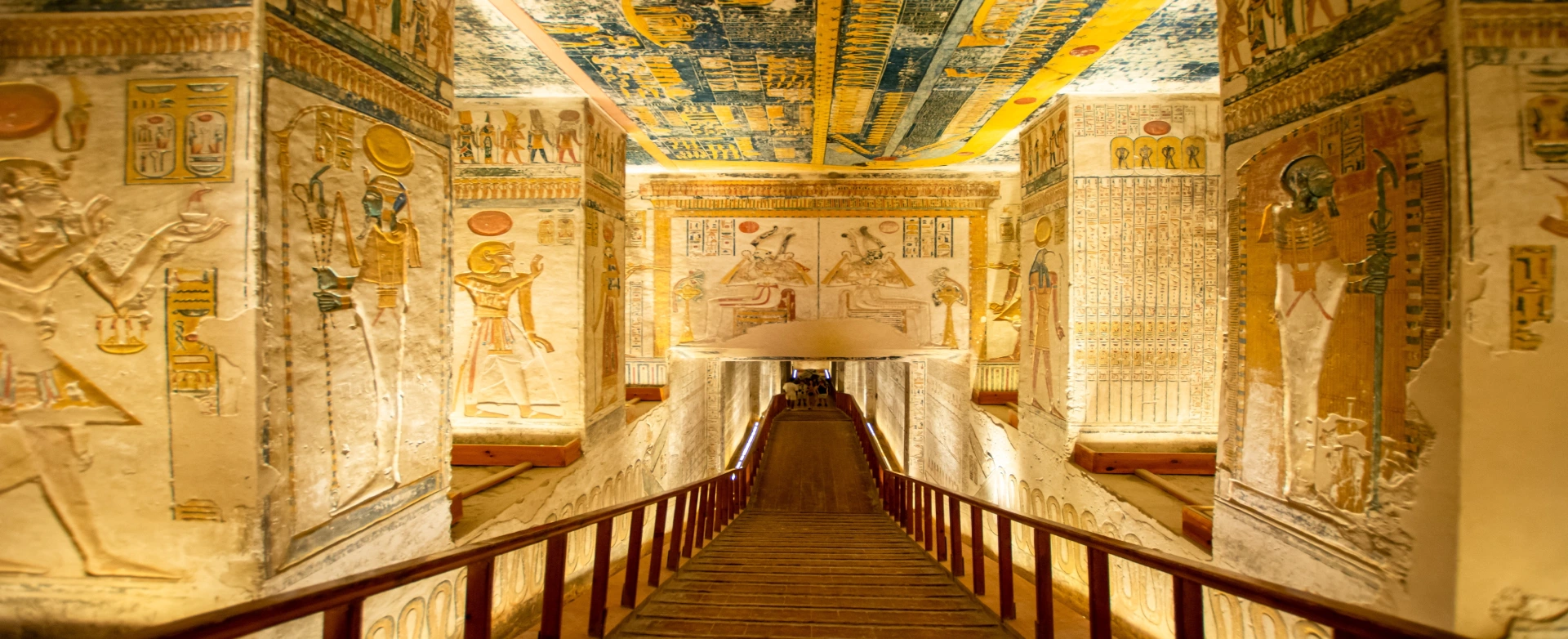
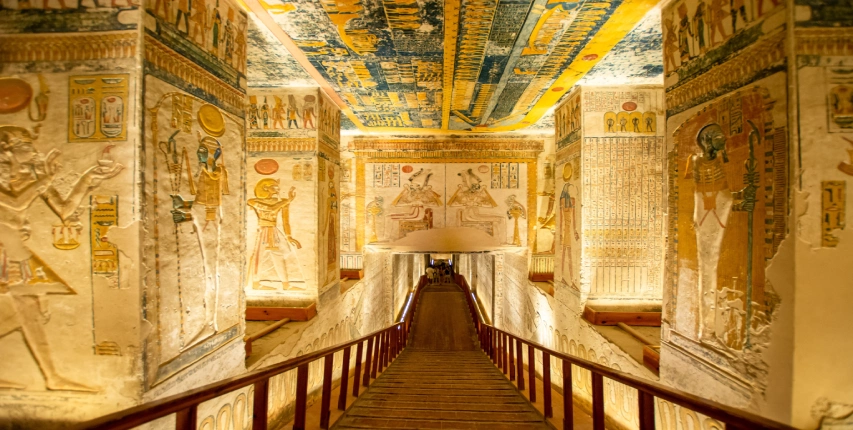
Valley of the Kings
The Valley of the Kings is a royal burial ground which is the final resting place for pharaohs, queens, high priests, and other members of the Egypt’s nobility. It has 63 royal magnificent tombs from New Kingdom period. As soon as they enter, visitors are spell bounded by its inscriptions and astonishing chambers.
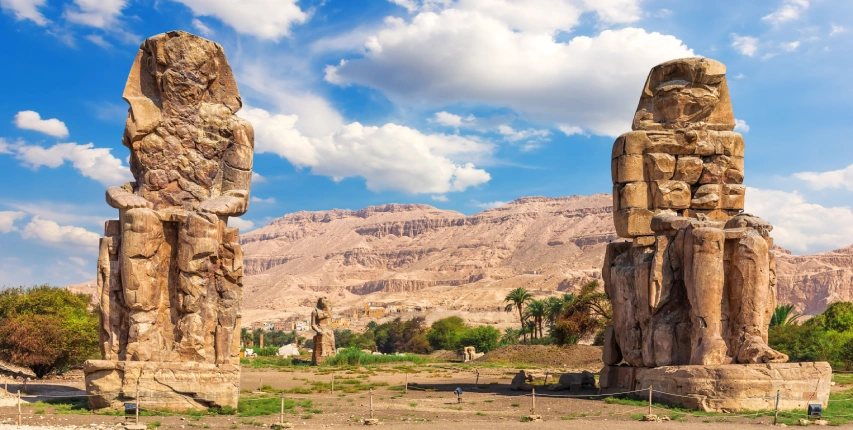
Colossi of Memnon
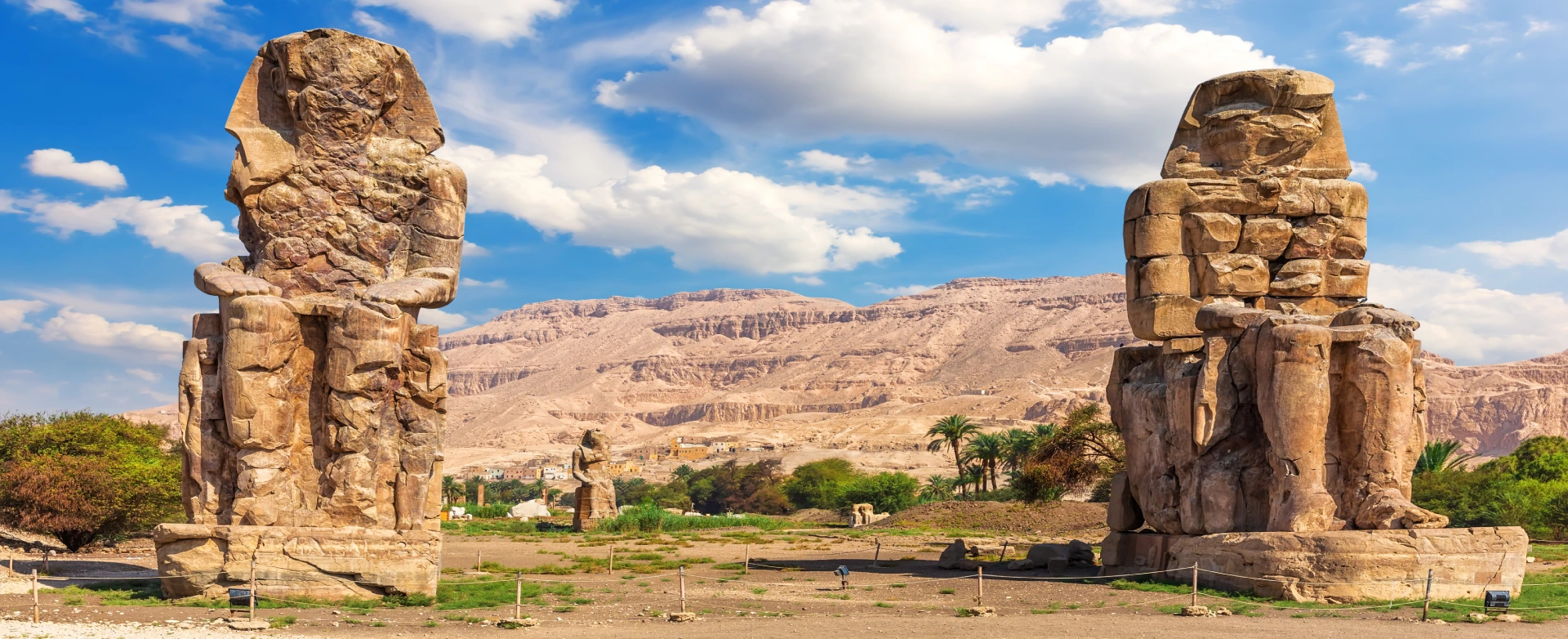
The Colossi of Memnon are two gigantic statues, measuring 60 feet tall, of Pharoah Amenophis III and his mother, Queen Mutemwiya, and his wife, Queen Tiy, that are sculpted on the lower part of the statues. it is in the West Bank of Luxor, Egypt.
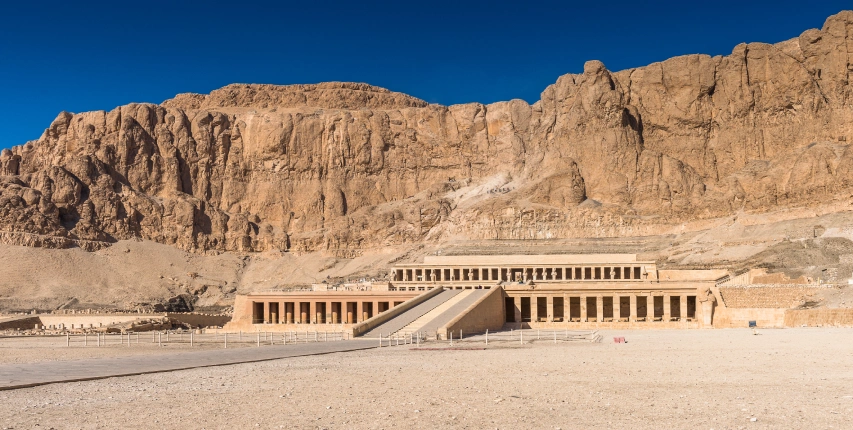
Temple of Hatshepsut
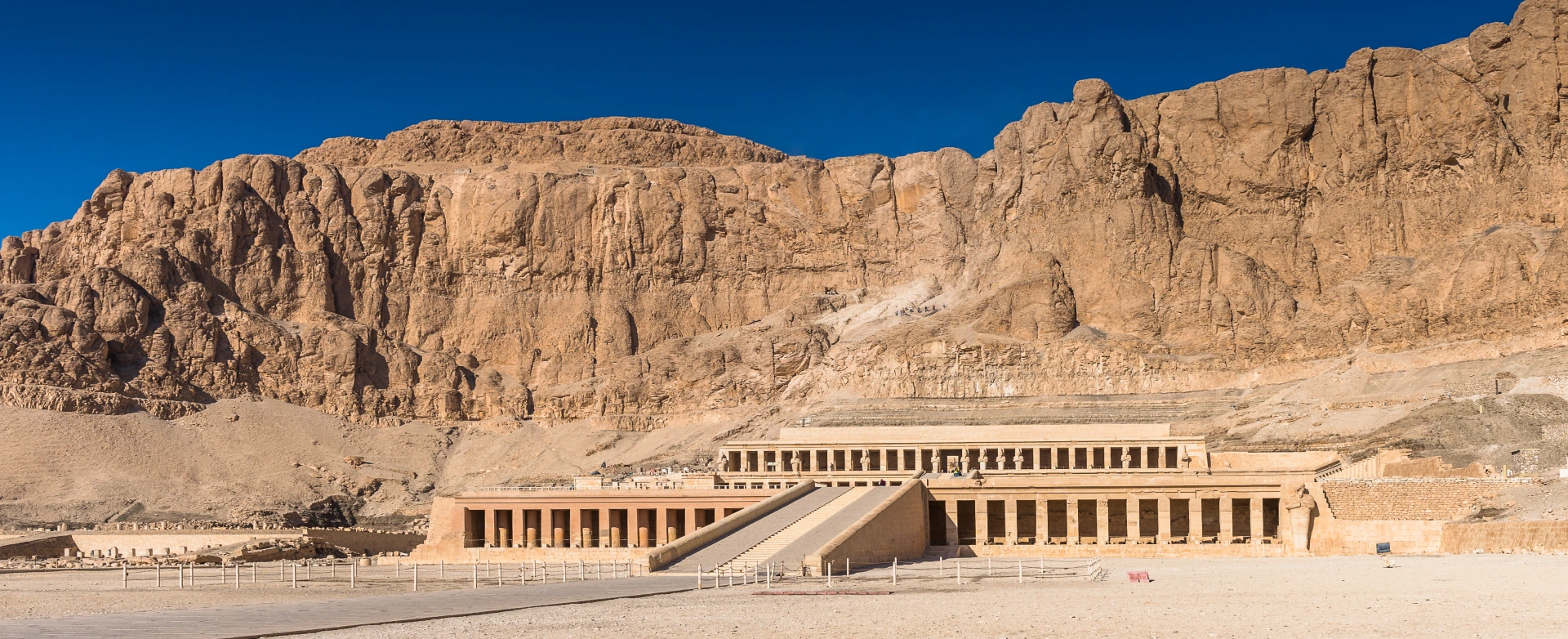
Memorial Temple of Hatshepsut, a true masterpiece of the pharaonic era, was built in honour of Queen Hatshepsut who reigned from 1479 to 1458 BC. Her 20-year-long reign was a period of peace and prosperity.