The former capital of Japan is home to approx. 17 UNESCO WORLD HERITAGE SITES. Being home to more than 2000 Buddhist Temples and Shinto Shrines, it is also considered to be the Cultural Capital of Japan. The key sightseeing, their include:
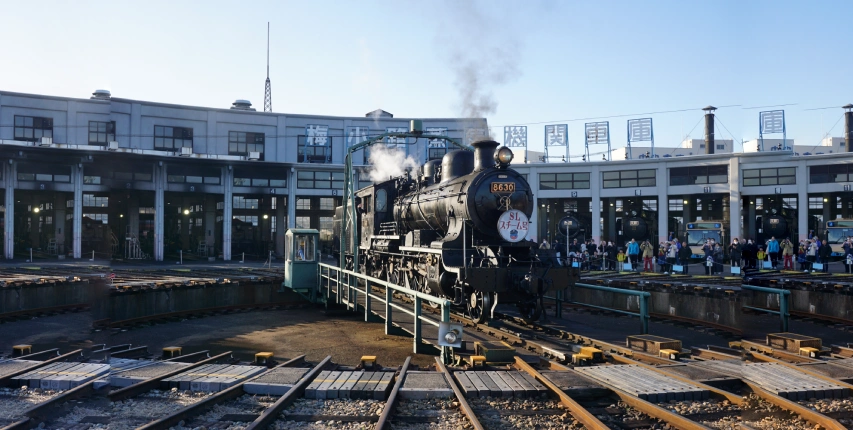
Kyoto Railway Museum
One of Japan’s three rail museum opened in 2016 by JR West, is spread over 30,000 square meters and showcases more than 50 retired trains.
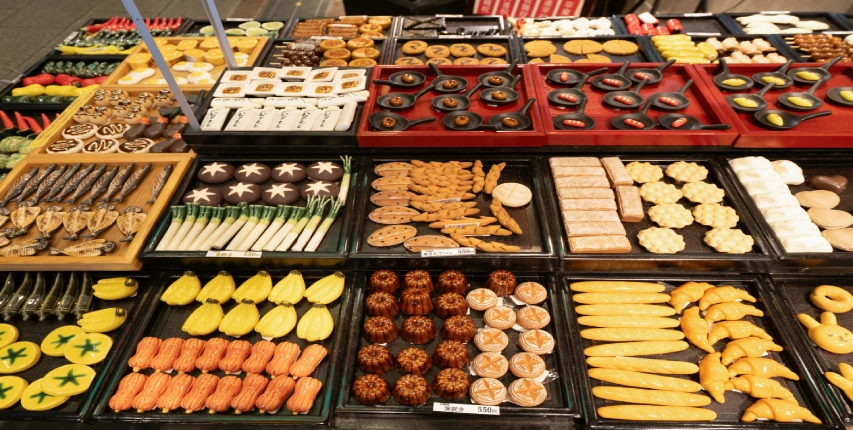
Nishiki Market
Also known as Kyoto’s Kitchen where in a narrow almost 400 meters long alley, around 130 vendors sell sea food, knives, cookware, pickles, dried seafood, sushi, rice crackers and so on.
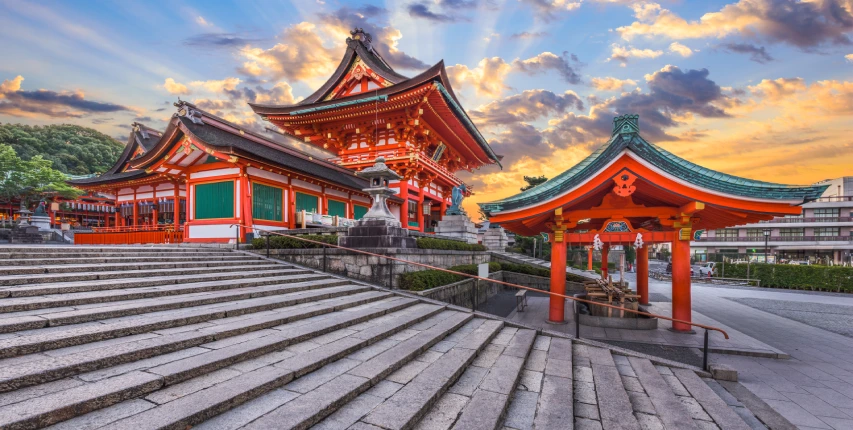
Fushimi Inari Shrine
An important Shinto shrine famous for its thousands of vermilion torii gates. It’s a hike of around 2 hrs where on summit there is a small shrine. During the hike there are couple of spots from where the tourists can enjoy magnificent views of Kyoto.
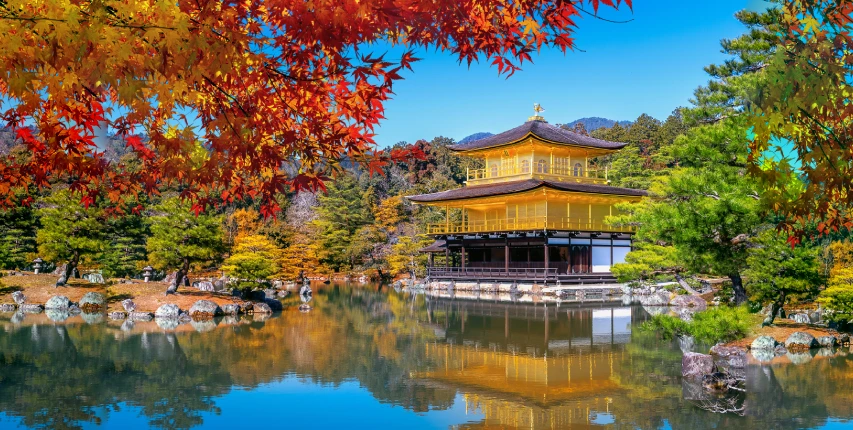
Kinkakuji
Also known as Kyoto’s Kitchen where in a narrow almost 400 meters long alley, around 130 vendors sell sea food, knives, cookware, pickles, dried seafood, sushi, rice crackers and so on.
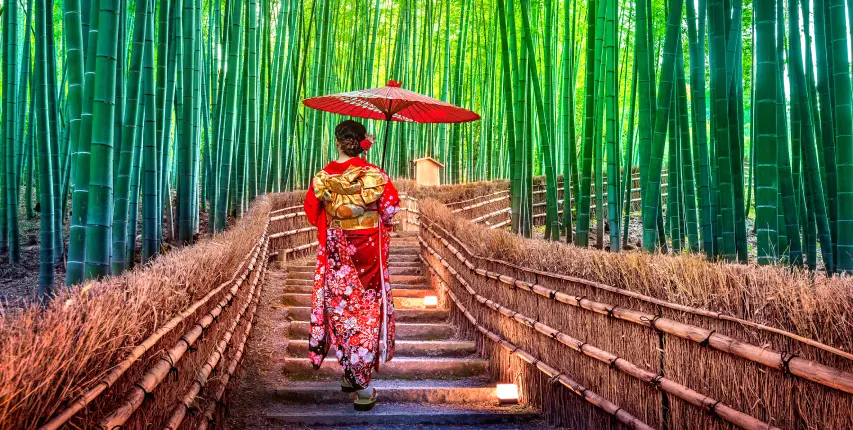
Arashiyama Bamboo Grove
This iconic sightseeing in Kyoto also known as Sagano Bamboo Forest where the tourist can walk amongst the towering forest of green bamboo which line up the path.
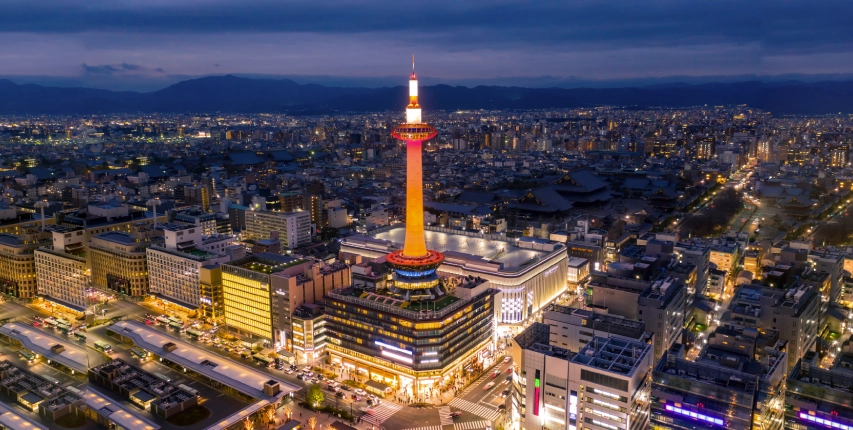
Kyoto Tower
Kyoto’s tallest structure standing at 131 meters has a viewing platform deck at 100 meters which offers 360 degrees view of Kyoto on clear days. Infact on clear days, one can even see Osaka from here.
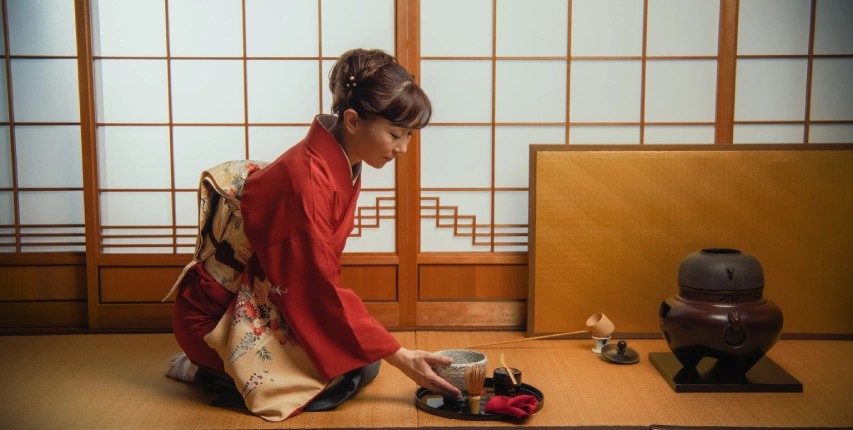
Kyoto Tea Ceremony
This traditional tea ceremony is one of the topmost experience in Kyoto where tourists dressed in traditional kimono not only experiences the age old practise of tea ceremony but also try their own hands in making “matcha”.
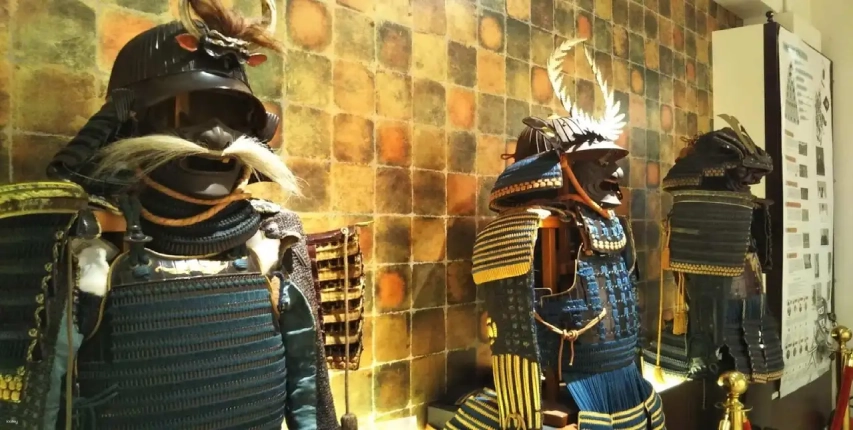
Samurai Ninja Museum with Experience
This family friendly experience not only gives an insight into Japan’s Samurai History but also allows the entire family to try their hands on this age old martial arts. A wide variety of items are on display which includes traditional full body armours, katanas (swords), informative panels and so on.